
 By Editorial Team

A simple walk in an Atlanta park can become a nightmare. One minute you’re enjoying the day, the next you’ve had a bad resbalón en parque because of some riesgo oculto. These aren’t just unlucky breaks. They’re often the direct result of negligence in how public or private spaces are maintained, leaving people with serious injuries and staggering medical bills. The question is, how does Georgia’s legal system actually perform when you’re the one facing these unexpected problems?
Key Takeaways
- If you slip and fall in a Georgia park, report it to park management and see a doctor right away.
- Georgia law (O.C.G.A. § 51-3-1) says property owners have to keep their grounds safe for visitors, and that includes both public and private parks.
- You need to gather evidence, photos of the hazard, contact info for any witnesses, to build a strong negligence case.
- A personal injury lawyer in Georgia can figure out if you have a case and will deal with the insurance companies for you.
- In Georgia, you have two years from the accident date to file a personal injury lawsuit, according to O.C.G.A. § 9-3-33.
El problema: Cuando un día en el parque se vuelve peligroso
Everyone loves Atlanta’s parks, from the busy paths at Piedmont Park to the quiet spots in Grant Park. They’re supposed to be for fun. But behind that pleasant scenery, hidden dangers can lead to serious accidents. I’m talking about a resbalón en parque from a cracked paving stone, a fall from faulty playground equipment, or a slip on an unmarked puddle of standing water. This isn’t theoretical stuff. It happens to real people in Atlanta all the time.
The thing is, a lot of these so-called “accidents” are completely preventable. Property owners have a legal duty to keep their premises safe for visitors. That duty doesn’t just vanish because it’s a public park. Georgia law is very specific on this point. O.C.G.A. § 51-3-1 states that a property owner is liable for injuries caused by their failure to exercise ordinary care in keeping the premises safe for people who are lawfully on the property.
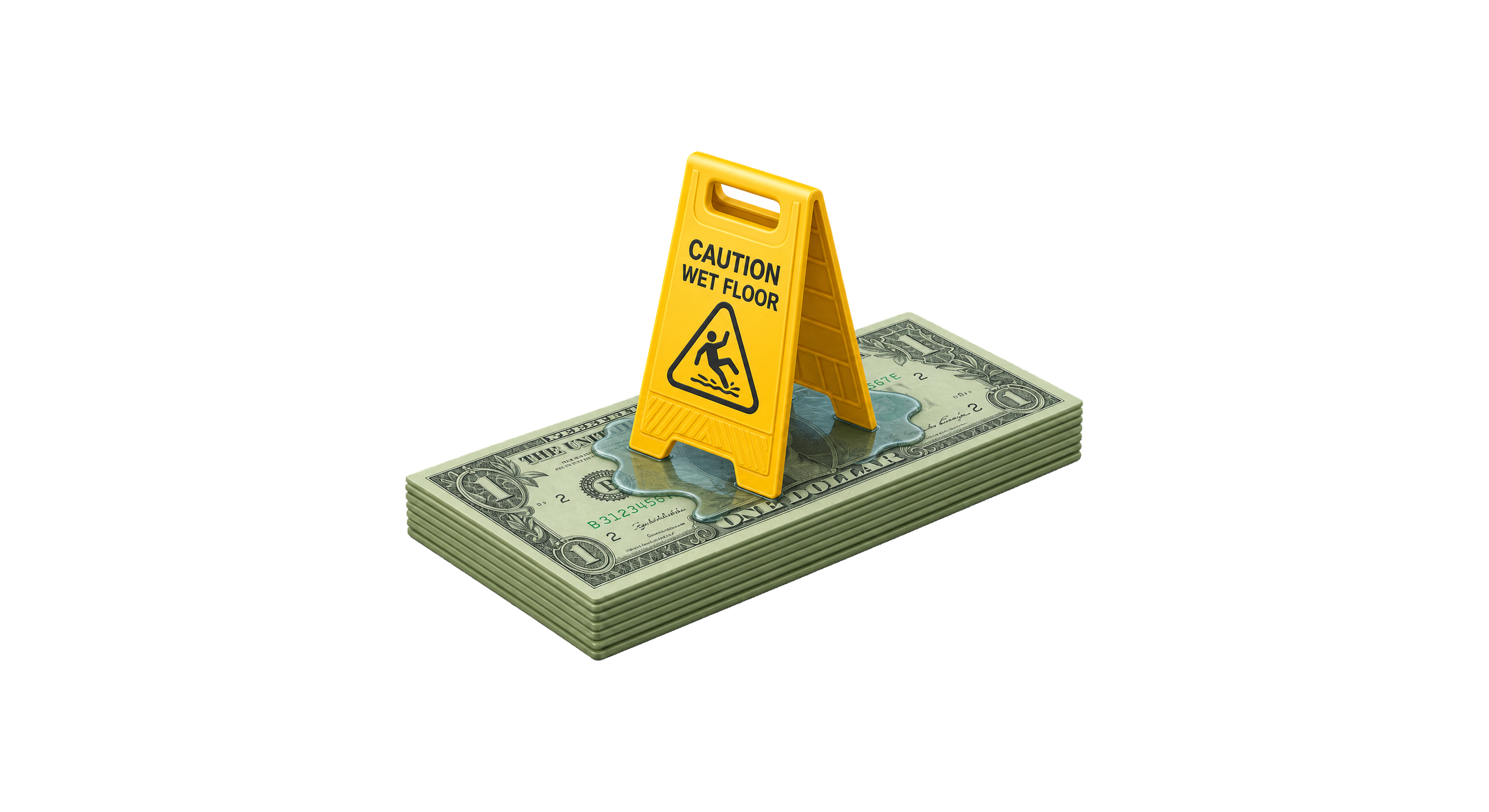
¿Resbalón y caída?
Sepa cuánto vale su caso con la Calculadora de Pagos para Caída por Resbalón con IA ¡GRATIS!
Iniciar mi evaluación gratisJust think about the fallout. A broken ankle, a back injury, or a head injury brings intense physical pain, and it also kicks off a cascade of expenses from ER visits, surgeries, physical therapy, medication, and lost time from work. So who pays for all that? That’s the question every victim asks, and it’s why you have to understand your rights.
Lo que salió mal primero: Confiar en el sentido común y la buena fe
After a resbalón en parque, your first instinct might be to trust that the responsible party, the city of Atlanta, a private park management company, an insurer, will do the right thing. I’m telling you from years of experience, that’s a mistake. Insurance companies are not your friends. Their primary goal is to minimize what they pay out and protect their bottom line, so their version of “common sense” is to call it a freak accident and close the book. That’s rarely the truth.
A lot of victims don’t report the incident right away, they’re in shock or just embarrassed. Others put off going to the doctor because the injury doesn’t seem that bad at first. Waiting is a huge problem for any future claim because without an official incident report and early medical records, it becomes much harder to prove the fall directly caused the injuries you’re suffering from. On top of that, if you don’t have photos or witness statements, the defense can easily poke holes in your story.
Taking the insurance company’s first settlement offer is another classic mistake. Those initial lowball offers almost never account for the full long-term cost of medical care, future lost income, or your pain and suffering. It’s a standard tactic to get the case off their books as cheaply and quickly as possible. What looks like a fast solution is actually a trap that can leave you with a much bigger financial and emotional mess down the road.
La solución: Un enfoque estratégico para proteger sus derechos
If you’ve been hurt from a resbalón en parque caused by riesgos ocultos in Atlanta, there’s a clear playbook. It all comes down to acting fast and gathering proof. First, if you can do it safely, document everything at the scene. Take photos and videos of the hazard that made you fall, the uneven pavement, the broken equipment, the bad lighting. Those pictures are gold. If anyone saw what happened, get their name and number, because their testimony can back up your story.
Second, and this is non-negotiable: get medical attention immediately. Even if you think you’re okay, you need a professional evaluation. It’s obviously for your own health, but it also creates the official medical record that connects the incident to your injuries. Keep every single report, receipt, and prescription. All that documentation is your best weapon.
Third, report the incident to the park management or property owner. Make sure they create an official incident report and get a copy for yourself. This report is your proof that the owner was put on notice about what happened. If it’s a city-run park like Atlanta Memorial Park, you might have to deal with a specific municipal office, which just adds another layer of bureaucracy you have to get through.
Finally, and this is where you need a professional, talk to a personal injury lawyer in Georgia. A good attorney who handles these slip and fall cases knows how to evaluate if you have a real claim, dig into the property owner’s negligence, and calculate what your damages, including past and future medical bills, lost wages, and pain and suffering, are actually worth. It’s one thing to know the statute. It’s another to understand how it works in a park accident and how to fight back against the insurance company’s playbook.
For example, an accident on Fulton County property, like in a Sandy Springs park, has specific notice requirements. Under O.C.G.A. § 36-11-1, any claim against a county has to be presented in writing within 12 months of the injury. If you miss that deadline, your right to sue is gone forever. A lawyer knows these procedural traps.
El resultado: Justicia y compensación para las víctimas
Following a smart plan isn’t a guarantee, but it dramatically increases your odds of getting the fair compensation you deserve. When you present a solid case, backed up with medical records, incident reports, and witness statements, insurance companies and property owners have to take the claim seriously. That’s what gets you to a successful negotiation that covers all your accident-related costs. I’ve seen it a hundred times: the difference in outcome between someone going it alone and someone with legal representation is night and day.
Compensation can cover your current and future medical bills, lost wages, reduced earning capacity, pain and suffering, and loss of enjoyment of life. In really bad cases of negligence, it’s sometimes possible to go after punitive damages, though those are rare and have a higher legal bar to clear under O.C.G.A. § 51-12-5.1.
This is about more than just money. Getting a positive result brings a sense of justice. Holding the responsible party accountable is a huge step in recovering, both physically and emotionally. On top of that, a successful claim can force park owners to clean up their act and improve their maintenance, which helps make public spaces safer for everyone in Atlanta.
Remember, the statute of limitations in Georgia for most personal injury cases is two years from the date of the accident, as spelled out in O.C.G.A. § 9-3-33. That’s a hard deadline. If you don’t file a lawsuit in that window, you lose any chance at compensation, no matter how strong your case is. This is why my advice is always the same: do not wait. Time is working against you.
The real goal isn’t just to get money for your bills. It’s to get your life back as close to normal as possible. That means having the resources for the medical care you need, getting compensated for the financial hit you took, and being able to move on without carrying the burden of someone else’s carelessness. It’s a tough process, for sure, but it’s worth it when the alternative is paying the price for an accident that wasn’t your fault.
A resbalón en parque in Atlanta from some riesgo oculto can change your life in a second. But understanding your rights and acting quickly can be the difference between a long, hard recovery and one where you have the legal and financial support you need. Don’t underestimate how much early action and expert legal advice matter, your future well-being depends on it.
¿Qué debo hacer inmediatamente después de un resbalón en un parque de Atlanta?
First, get medical attention, even for what seems like a minor injury. If you can, take photos and videos of the hazard that caused you to fall and get contact information from anyone who saw it happen. Then, report the incident to the park’s management or the property owner and make sure they file an official report.
¿Cuál es el plazo para presentar una demanda por lesiones personales en Georgia?
The statute of limitations for most personal injury lawsuits in Georgia, which includes slip and fall cases, is two years from the date of the accident under O.C.G.A. § 9-3-33. You have to act within that timeframe or you lose your right to sue.
¿Qué tipo de compensación puedo esperar por un accidente de resbalón y caída?
You can be compensated for medical expenses (both past and future), lost wages, diminished earning capacity, pain and suffering, and loss of enjoyment of life. In cases where the negligence was particularly bad, punitive damages may also be available.
¿Necesito un abogado si la compañía de seguros me ofrece un acuerdo?
Yes, you should absolutely talk to a lawyer before accepting any offer from an insurance company. Their first offer is almost always a lowball amount that won’t cover your long-term damages. An attorney can determine the real value of your claim and negotiate for you.
¿Cómo se prueba la negligencia del propietario en un caso de resbalón y caída?
To prove negligence, you have to show that the property owner knew (or should have known) about the dangerous condition, failed to take reasonable steps to fix it or warn people about it, and that this failure directly caused your injuries. You prove this with evidence like photos, incident reports, witness testimony, and sometimes maintenance logs.


