
 By Editorial Team
Key Takeaways
- Miami-Dade County saw 8,247 pedestrian accidents from 2014-2023, killing 828 people. The risk isn’t going away.
- Poorly marked intersections and distracted driving are the main culprits behind collisions, especially in hotspots like Brickell Avenue and Biscayne Boulevard.
- An attorney can take over collecting evidence, fighting with insurance companies, and going to court to get you the maximum compensation you’re owed for your injuries.
- Florida’s comparative negligence law means you can still recover damages even if you’re partially at fault.
- After a wreck, your first moves are critical: document everything at the scene, get medical care immediately, and don’t talk to any insurance adjusters until you’ve spoken with a lawyer.
The reality of walking around Miami is that you’re sharing space with some of the most unforgiving traffic in the country, and the risks for pedestrians are no joke. The government’s own statistics paint a grim picture year after year, making the safety of peatón calles Miami a very real, personal problem. If you walk in this city, you need to understand the accidentes comunes and what causes them, because knowing how you can get hurt is the first step in protecting yourself.
La Cruda Realidad de los Accidentes de Peatones en Miami
Miami’s got great beaches and a wild nightlife, but it’s also got relentless vehicle traffic. For pedestrians, that means you can never let your guard down. The numbers don’t lie. A 2024 report from the Florida Department of Transportation (FDOT) confirms that Miami-Dade County is still a top contender for the most pedestrian accidents in the state. Between 2014 and 2023 alone, we had 8,247 pedestrian accidents and 828 deaths. That’s a horrifying statistic. It’s not just the sheer number of cars. It’s a combination of city infrastructure that wasn’t built for people, terrible driving habits, and even distracted pedestrians. Busy intersections along Brickell Avenue, Biscayne Boulevard, and US-1 are well-known collision hotspots. Speeding, drivers not paying attention, and a general disregard for traffic laws are things we see every single day. And look, Florida law might give pedestrians the right-of-way in a lot of situations, but that right gets ignored constantly, and the consequences are often fatal.
Causas Más Frecuentes de Accidentes de Peatones
Most of the accidentes comunes involving pedestrians aren’t really “accidents” at all. They’re predictable outcomes of negligence, whether it’s from the driver or, sometimes, the pedestrian. Distracted driving is at the top of the list. With smartphones glued to everyone’s hands, a lot of drivers are staring at their screens instead of the road. It only takes a few seconds of texting or scrolling for a driver to completely miss a person in a crosswalk, leading to serious injury or death. Florida law does ban handheld device use in school and work zones, and texting while driving is a primary offense, but enforcement is another story. Speeding is another huge factor. In a city, speed kills, period. A car hitting a pedestrian at 40 mph is far more likely to cause a fatal injury than one going 25 mph. This is especially true in residential areas and around schools. Ignoring traffic signals is also a massive problem. You see it all the time: drivers who don’t yield at crosswalks, make right turns on red without looking, or just blow through stop signs. Of course, pedestrians also have a responsibility to not dart into traffic or cross against a “don’t walk” signal. The vehicle, because of the massive danger it poses, carries a greater weight of responsibility. Finally, driving under the influence is still a plague on our roads. An impaired driver with slowed reaction times and poor judgment is a lethal threat to everyone. Collisions involving alcohol or drugs are almost always the most severe.
¿Involucrado en un accidente de camión?
Las empresas de camiones destruyen evidencia en 14 días. Las demandas promedian 3× más.
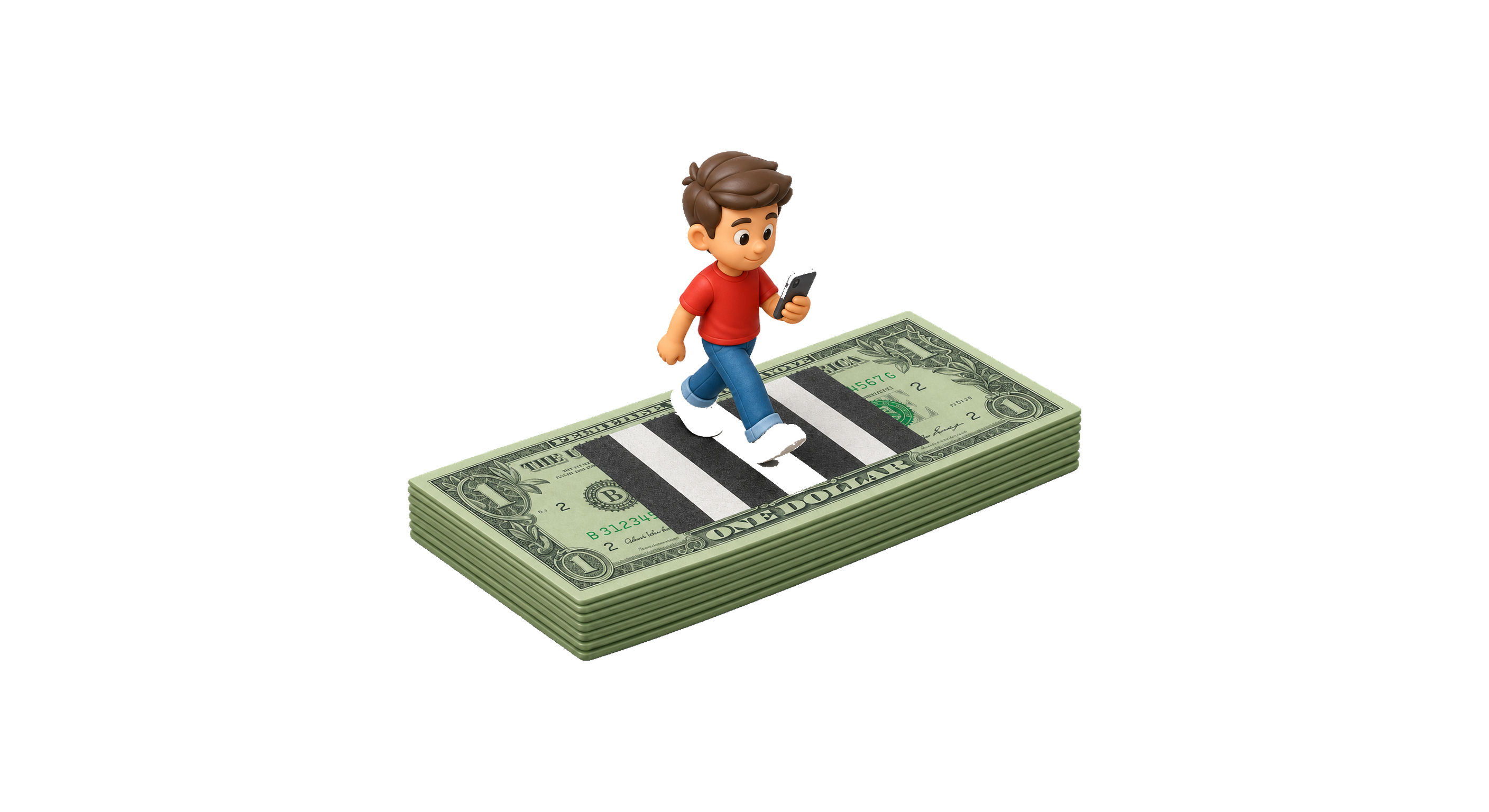
¿Accidente peatonal?
Sepa cuánto vale su caso con la Calculadora de Pagos para Accidente Peatonal con IA ¡GRATIS!
Iniciar mi evaluación gratisNavegando las Leyes de Tránsito de Florida para Peatones
Florida’s laws on this are pretty clear. You need to know them for your own safety and, if you’re hit, for proving who was at fault. Under Florida Statute 316.130, drivers absolutely must ceder el derecho de paso to a pedestrian in a crosswalk or at an unmarked intersection, as long as the pedestrian is on the driver’s half of the road or getting close to it. That doesn’t mean pedestrians get a free pass, though. You’re required to obey traffic signals, use crosswalks where they exist, and not just jump off a curb into the path of a car that has no chance of stopping. One of the most important concepts in Florida law is negligencia comparativa. What it means is that even if you’re hit by a car, if you’re found to be partly at fault (say, you were looking at your phone while crossing), your financial recovery can be reduced by your percentage of fault. If a jury says you were 20% to blame, your total compensation award gets cut by 20%. This is exactly why a thorough investigation and a good lawyer are so important, that percentage is what the fight is often about.
Cuando el Accidente Ocurre: Pasos Cruciales
If you or someone you know gets hit by a car in Miami, what you do in the first few minutes and hours can make or break your case. 1. Busque atención médica inmediata: Get to a doctor or an ER. Now. Adrenaline can mask serious injuries that might show up hours or days later, and you need medical records to prove your claim.
2. Llame a la policía: You need an official police report. It documents the scene, the parties involved, witnesses, and road conditions, and it’s a foundational piece of evidence.
3. Recopile información: If you can, take pictures of everything, the scene, the car, your injuries, any traffic signs. Get the driver’s name, insurance info, and license plate, plus contact info for any witnesses.
4. No hable con la aseguradora del conductor sin antes consultar a un abogado: Their insurance company will call you. They’re not your friend. They’re looking for any statement they can use to deny your claim or pay you less. Let a lawyer handle all communication.
5. Contacte a un abogado especializado en accidentes de peatones: Between Florida’s complex personal injury laws and the insurance companies’ tactics, trying to handle this alone is a bad idea.
El Rol de un Abogado en Accidentes de Peatones
Dealing with the aftermath of a pedestrian accident is a nightmare. You’re dealing with serious injuries, medical bills are piling up, and the whole thing is incredibly stressful. This is where a personal injury attorney, like one specializing in lesiones personales en Georgia, becomes your most important asset. An attorney who knows this area of law understands the nuances of Florida Statute 316.130 and how to fight back on comparative negligence claims. They immediately start a deep-dive investigation, gathering police reports, witness statements, security camera footage (which is everywhere in places like Downtown Miami and Wynwood), your medical records, and sometimes hiring accident reconstruction experts to prove what happened. Your lawyer is your shield against the insurance companies. Insurers have teams of lawyers and adjusters whose only job is to protect the company’s bottom line by paying you as little as possible. An experienced attorney knows their playbook, knows how to build a case that forces a fair negotiation, and isn’t afraid to take them to court if they refuse to be reasonable. This can drastically increase the compensation you get for medical bills, lost income, and your pain and suffering. A law firm with experience in the Georgia area, for instance, will typically handle personal injury and workers’ comp cases on contingency, meaning they don’t charge you a fee unless they win your case. This gives victims access to justice without needing money upfront.
Prevención: Clave para la Seguridad del Peatón en Miami
A lot of the pedestrian collisions on peatón calles Miami are preventable. Both drivers and pedestrians have to step up to make the streets safer. For pedestrians, it’s about being defensive. Pay attention to your surroundings, put the phone away when you’re walking, and try to make eye contact with drivers before you step into the street. Always use marked crosswalks and obey pedestrian signals. At night, wear light-colored or reflective clothing, especially on dimly lit streets in areas like Little Havana or Coral Gables, it might be the one thing that saves your life. For drivers, it comes down to defensive driving. Obey the speed limit, put the phone down, and constantly scan for pedestrians, especially near parks, schools, and busy commercial areas. Yielding to pedestrians isn’t a suggestion. It’s a legal obligation. Having a little patience in Miami’s insane traffic can literally be the difference between life and death. The city and FDOT are trying, with projects to add more marked crosswalks, improve lighting, and run public awareness campaigns. But at the end of the day, real safety comes down to the individual choices made by every single person on the road. The number of pedestrian accidents in Miami is a serious problem, and it demands our full attention. Understand the risks, know the laws, and be careful out there. And if the worst happens, get legal help immediately to protect yourself. Miami’s streets are dangerous, but through awareness and smarter behavior, we can at least try to make them safer for everyone.
¿Qué debo hacer inmediatamente después de un accidente de peatones en Miami?
First, get medical attention, even if you feel fine. Then, call the police to file a report. If you’re able to, take photos of the scene, your injuries, and the driver’s information (insurance and license plate). Do not admit fault or give any recorded statements to the driver’s insurance company before you’ve talked to a lawyer.
¿Puedo recuperar daños si tuve parte de la culpa en el accidente?
Yes. Florida’s comparative negligence rule lets you recover damages even if you were partially at fault. Your final compensation will just be reduced by whatever percentage of fault is assigned to you. For example, if you’re found 20% at fault, your award is reduced by 20%.
¿Cuánto tiempo tengo para presentar una demanda por lesiones personales en Florida?
In Florida, you have two years from the date of the accident to file a personal injury lawsuit. This is the statute of limitations. You should act much faster than that, though, because evidence disappears and witnesses’ memories fade over time.
¿Qué tipos de compensación puedo recibir después de un accidente de peatones?
You could be compensated for your medical bills (both past and future), lost wages from being out of work, reduced future earning capacity, pain and suffering, mental anguish, and loss of enjoyment of life. In rare cases of extreme negligence, you might also get punitive damages. The amount depends entirely on the severity of your injuries and the facts of your case.
¿Necesito un abogado si la compañía de seguros me ofrece un acuerdo?
It’s a very bad idea to accept any settlement offer without talking to a lawyer first. Insurance companies are notorious for making quick, lowball offers that don’t come close to covering your long-term costs. An experienced attorney can calculate what your claim is actually worth and negotiate for a fair amount.


